
Compare Local Contractors for Thin Stone Veneer Installation
Compare local contractors for thin stone veneer installation to clarify scope, verify experience, and set clear expectations for a successful project.
Contractors specializing in thin stone veneer installation typically handle a range of tasks related to attaching and finishing stone surfaces on building exteriors or interior walls. Their work often includes preparing surfaces for veneer application, selecting appropriate materials, and ensuring proper adhesion and alignment of the stones. Proper installation is essential for both the aesthetic appeal and the structural integrity of the veneer, making it important to work with experienced service providers who understand the specific requirements of this type of work.
Defining the scope of a thin stone veneer project is a key step in ensuring clear expectations and a successful outcome. Property owners should consider details such as the size and location of the area to be covered, the type of stone veneer to be used, and any specific design preferences. Outlining these details in writing helps prevent misunderstandings and provides a basis for comparing different contractors’ approaches. A well-defined scope also facilitates more accurate communication and can serve as a reference point throughout the project.
When evaluating local contractors for thin stone veneer installation, property owners should consider their experience with similar projects and ask for examples of past work. It’s beneficial to verify that service providers understand the scope and can articulate how they plan to approach the installation. Comparing multiple contractors involves reviewing their qualifications, asking about their methods, and ensuring they can provide clear, written descriptions of the work to be performed. This process helps identify service providers who are capable of meeting project needs and establishing a transparent working relationship.
Compare local contractors by outlining project priorities, verifying experience, and clearly defining scope and expectations in writing.
- Compare Contractor Credentials - Review the experience and reputation of local contractors to ensure reliable service.
- Define Project Scope Clearly - Establish detailed expectations and work parameters before beginning the installation.
- Verify Experience with Thin Stone Veneer - Confirm that service providers have relevant expertise in veneer installation techniques.
- Document Agreements in Writing - Ensure all project details, responsibilities, and expectations are recorded to prevent misunderstandings.
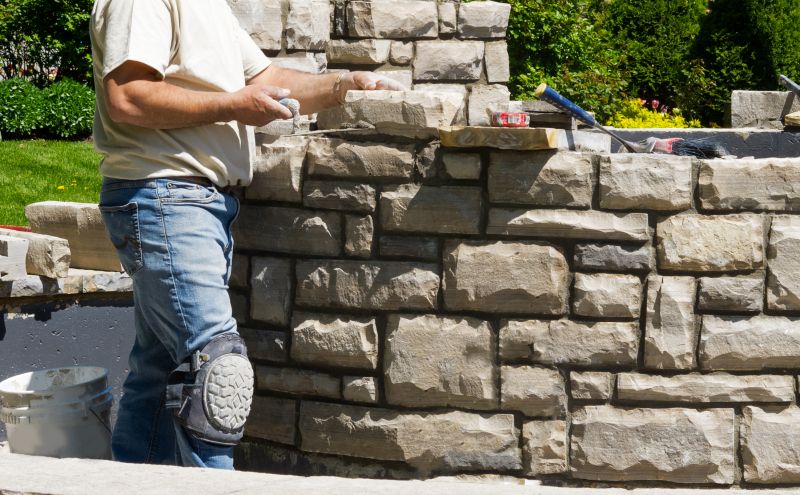
Compare local contractors by clearly describing your project needs first, then verify their experience and define scope in writing.
- Verify experience with thin stone veneer installation to ensure familiarity with proper techniques and materials. - Ensure the scope of work is clearly defined in writing to prevent misunderstandings.
- Check references or reviews to assess the contractor’s track record with similar veneer projects. - Confirm that the contractor has appropriate equipment and resources for handling stone veneer materials.
- Discuss the installation process and materials to understand the contractor’s approach and standards. - Obtain a detailed written estimate that outlines the scope, materials, and responsibilities.
- Ensure the contractor provides a comprehensive installation plan that addresses surface preparation and weather considerations. - Clarify warranty or guarantee policies related to the veneer installation to set proper expectations.
Compare local contractors’ experience and clarify project scope to ensure a successful thin stone veneer installation.
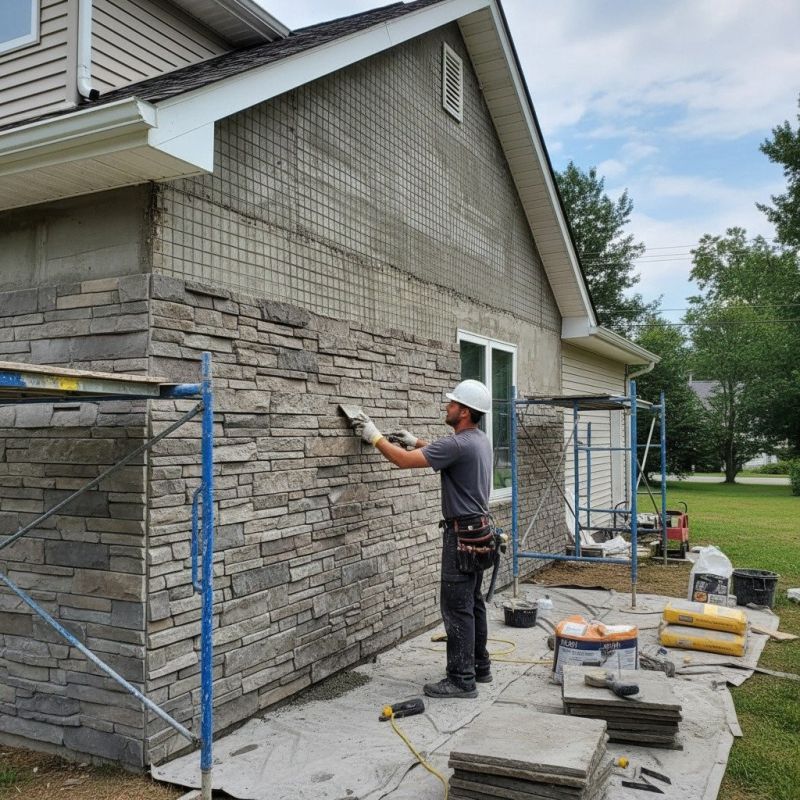
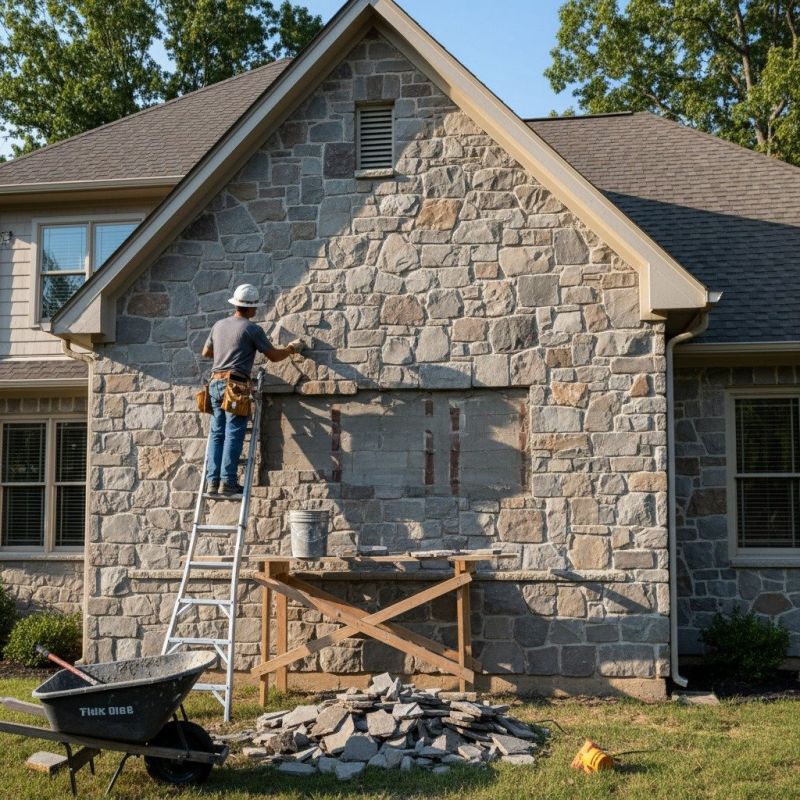
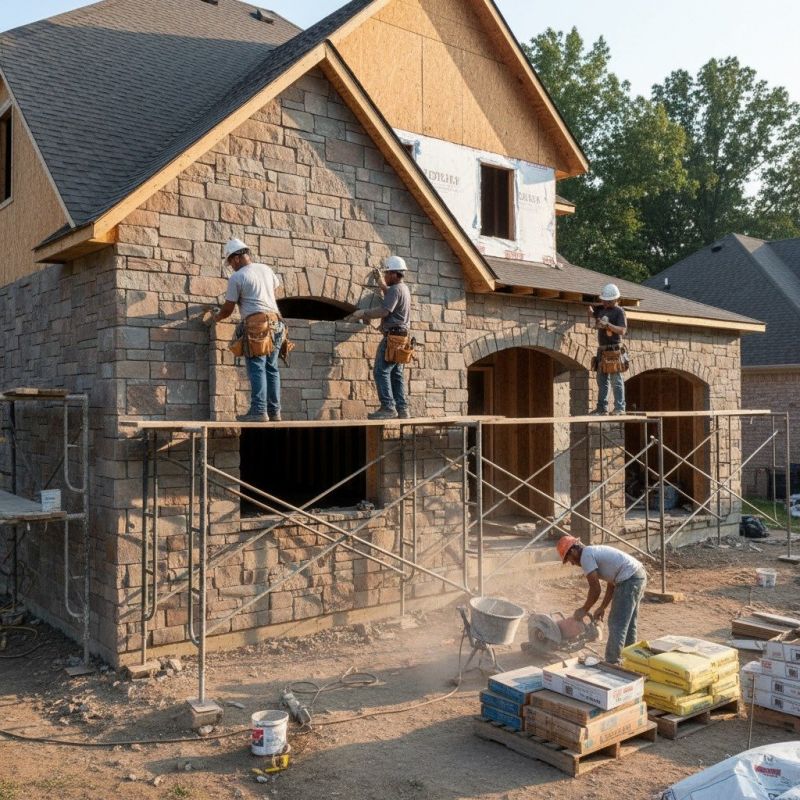
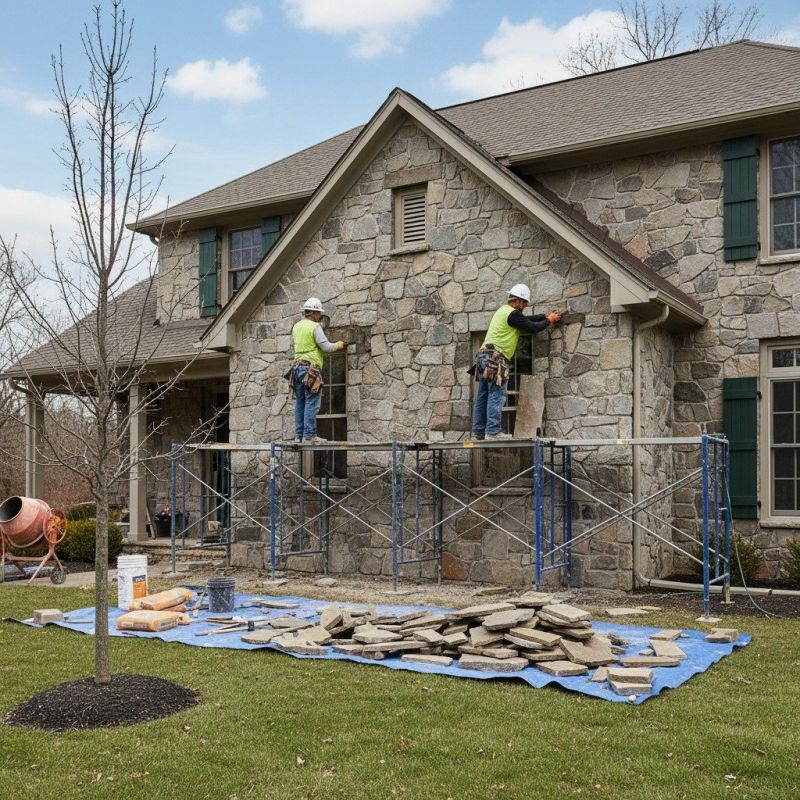
Use consistent comparison criteria to evaluate local contractors' scope, experience, and written expectations for thin stone veneer installation.
- Project Scope - Clearly define the extent of the thin stone veneer installation to ensure all parties understand the work involved.
- Material Specifications - Specify the type, size, and finish of the stone veneer to match project requirements.
- Experience and References - Verify the experience of local contractors with similar veneer installation projects and request references.
- Installation Standards - Outline the preferred methods and quality expectations for the veneer installation process.
- Written Agreement - Ensure all scope details, material specifications, and expectations are documented in a detailed written contract.
When evaluating contractors for Thin Stone Veneer Installation, it is important to consider their experience with projects similar in scope and style. Homeowners should inquire about the types of veneer they have installed and ask for examples of past work that resemble the current project. A contractor with a proven track record in handling specific stone types, surface conditions, and architectural styles can provide insights into their familiarity with the unique challenges that may arise. Verifying the depth of their experience helps ensure that the chosen service provider has the practical knowledge needed for a successful installation.
A clear, written scope of work is essential when comparing contractors. This document should outline the details of the project, including the materials to be used, the extent of the installation, surface preparation, and any additional work involved. A well-defined scope helps prevent misunderstandings and sets clear expectations for both parties. Homeowners should review these documents carefully, seeking clarification on any ambiguous points, to ensure that the project parameters are understood and agreed upon before work begins.
Verification basics involve assessing a contractor’s background and credentials related to similar projects. Homeowners should ask for references or contact previous clients to gain insights into the quality of work and professionalism. Additionally, verifying that the contractor has appropriate insurance coverage and adherence to safety standards is a key step in assessing reliability. This process helps establish confidence that the service provider has the necessary background and resources to carry out the veneer installation effectively and responsibly.
When comparing options among local contractors, it is important to evaluate their experience, scope of work, and verification details without focusing on price. Consider how each contractor communicates, the clarity of their scope, and their demonstrated expertise through past projects. Asking detailed questions about their approach, materials, and project management can reveal the level of professionalism and attention to detail. By thoroughly assessing these aspects, homeowners can make informed decisions and select a service provider best suited to meet the specific requirements of their Thin Stone Veneer Installation project.
Ask contractors to provide written scope details to ensure clear expectations and consistent project understanding.
- Experience with Thin Stone Veneer - What specific projects have local contractors completed similar to your scope?
- Scope of Work - How clearly do the contractors define the materials, surfaces, and installation process included?
- Comparison of Services - What services and levels of support do different local contractors offer during installation?
- Project Expectations - How do contractors specify the responsibilities and deliverables in written agreements?
- Qualifications and References - What experience or references can local service providers share to demonstrate their expertise?
What should I look for when choosing a contractor for thin stone veneer installation? It's important to compare contractors based on their experience with similar projects, verify their references, and ensure they clearly define the scope of work in writing to set proper expectations.
How can I ensure a contractor has the necessary experience for my project? Ask potential service providers about their past work with thin stone veneer installation, request examples of completed projects, and confirm they understand the specific requirements of your job.
Why is it important to define the scope of work in writing? Having a detailed, written scope helps prevent misunderstandings, ensures all parties agree on what is included, and provides a reference point throughout the project.
What questions should I ask a contractor during the selection process? Inquire about their experience with thin stone veneer, request references, ask how they plan to approach your project, and confirm they are clear on the scope and expectations.
How can I compare different contractors effectively? Review their experience, ask for references or project examples, verify their understanding of your project scope, and assess their communication clarity to make an informed comparison.
What is the benefit of having a detailed written agreement with a contractor? A written agreement helps ensure all project details, responsibilities, and expectations are clear, reducing the risk of disputes and providing a basis for accountability.
Understanding the key aspects of hiring contractors for thin stone veneer installation can help ensure the project meets expectations. Visitors learned how to define the scope of work clearly, verify the experience of service providers, and set expectations in writing to promote a smooth process. Comparing local contractors allows for informed decisions based on qualifications and approach, making it easier to find the right fit for specific needs.
To move forward, using the quote form to compare local contractors provides a straightforward way to explore options and connect with experienced service providers. This step supports making well-informed choices by gathering details that align with project requirements, helping to identify the best local professionals for the job.