
Compare Local Contractors for Commercial Masonry Repair Success
Compare local contractors for commercial masonry repair to define project scope, verify experience, and establish clear expectations for a successful outcome.
Commercial masonry repair encompasses a variety of services aimed at restoring and maintaining the structural integrity and appearance of masonry components on commercial properties. This work often involves fixing damaged or deteriorated brickwork, stone, concrete, or mortar joints, addressing issues like cracking, spalling, or water infiltration. Proper repair not only enhances the building’s aesthetic appeal but also helps prevent further damage that could compromise safety or lead to more costly repairs down the line. Understanding the scope of services included in masonry repair projects can help property owners ensure that all necessary aspects are addressed and that the work aligns with the building’s specific needs.
Defining the scope of a masonry repair project is a critical step in working with contractors. Clear communication about what needs to be repaired, the extent of damage, and any specific materials or techniques required helps prevent misunderstandings and scope creep. Property owners should verify that prospective service providers have experience with similar projects and understand the particular demands of commercial structures. Documenting the scope of work in writing, including detailed descriptions of tasks and expected outcomes, provides a reference point that supports accountability and helps manage expectations throughout the repair process.
When comparing local contractors for commercial masonry repair, it’s important to consider their experience, reputation, and familiarity with the types of masonry used in the area. Property owners can review credentials such as project portfolios, client references, or industry recognition to gauge a contractor’s capability. Asking detailed questions about their approach to scope definition, project management, and communication can also reveal how well they understand the project’s requirements. Gathering multiple proposals and comparing the scope of work outlined in each helps ensure that the selected service provider is well-suited to meet the specific needs of the property, leading to a more successful repair experience.
Compare local contractors by outlining project priorities, verifying experience, and documenting scope and expectations clearly.
- Compare Contractor Experience - Review the background and project history of local contractors to ensure relevant expertise.
- Define Scope Clearly - Establish detailed project requirements to align expectations and avoid misunderstandings.
- Verify Credentials - Confirm the qualifications and references of service providers before proceeding.
- Document Agreements - Keep written records of scope, responsibilities, and expectations for each contractor engagement.
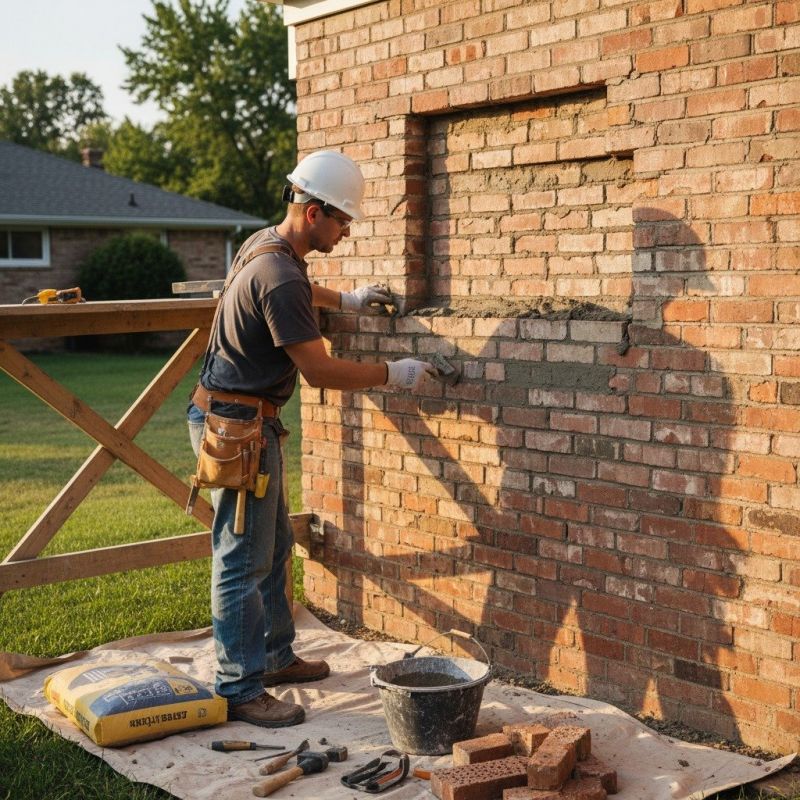
Clearly describe your commercial masonry repair project to effectively compare local contractors, verify experience, and set clear expectations.
- Verify experience and expertise in commercial masonry repair projects to ensure contractors are qualified for the scope of work. - Consider reviewing portfolios or references to assess the quality of previous masonry repairs handled by the service providers.
- Define the scope of work clearly in writing to establish expectations and prevent misunderstandings during the project. - Ensure that details such as materials, repair methods, and areas to be addressed are documented in the contract.
- Compare multiple local contractors to evaluate their capabilities, experience, and approach to masonry repair projects. - Look for service providers with a proven track record in commercial masonry repairs within the local area.
- Check for proper insurance coverage and licensing requirements applicable to commercial masonry work in the area. - Confirm that contractors have appropriate liability coverage to protect against potential damages or accidents.
- Request detailed written proposals that outline the scope, materials, and work process to facilitate accurate comparison and decision-making. - Ensure proposals are comprehensive and address all aspects of the repair project.
- Assess communication and professionalism during initial interactions to determine how well the contractor understands project needs and responds to questions. - Choose service providers who demonstrate clear, prompt, and professional communication.
Compare local contractors' experience and clarify project scope to ensure expectations are clearly set.
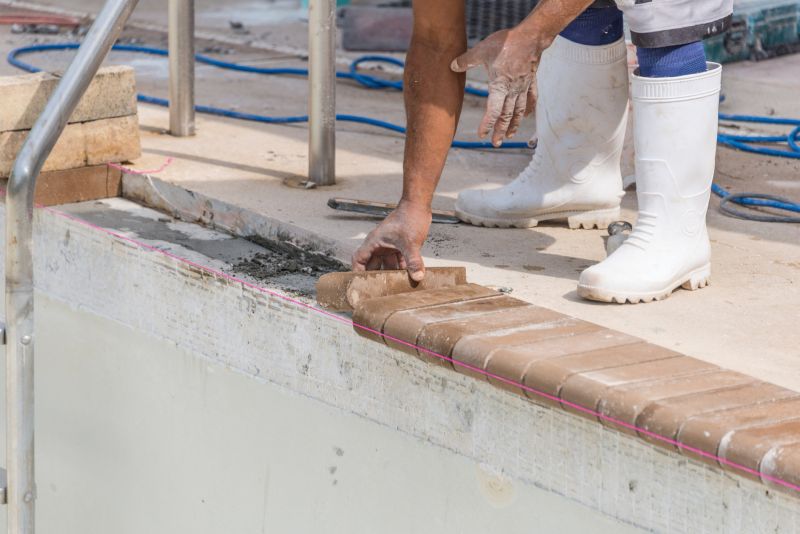
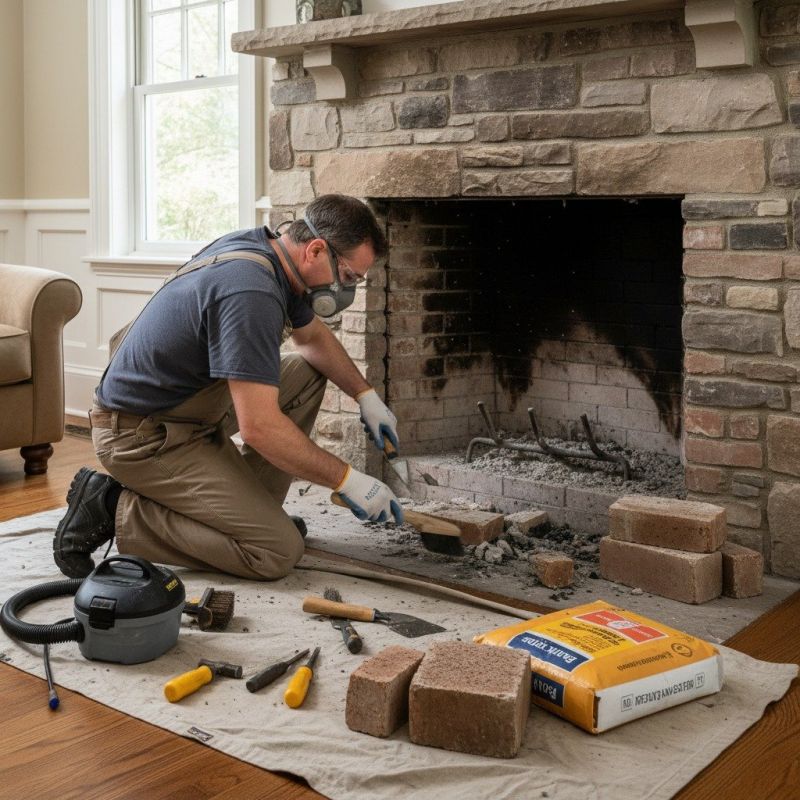

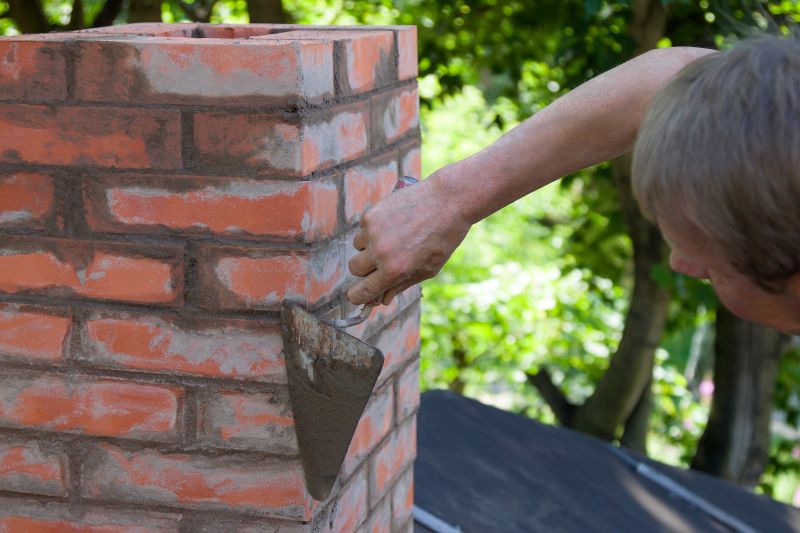
Learn how to compare local contractors, define project scope, verify experience, and set clear expectations in writing.
- Define Scope of Work - clearly outline the specific masonry repairs needed and the extent of work to be performed.
- Verify Experience - assess the contractors’ background in commercial masonry repair projects of similar scope.
- Check References - gather feedback from previous clients to evaluate the quality and reliability of service providers.
- Establish Written Expectations - document project details, responsibilities, and deliverables to ensure mutual understanding.
- Compare Credentials and Services - evaluate the qualifications, specialties, and service offerings of different local contractors.
When comparing contractors for commercial masonry repair, it is essential to evaluate their experience with similar projects. Contractors who have handled repairs on buildings of comparable size, material, and structural requirements are more likely to understand the specific challenges involved. Asking about past work that aligns with the scope of the current project can provide insight into their familiarity with the unique demands of commercial masonry, ensuring that the chosen service provider has relevant expertise.
A clear, written scope of work is a critical component when assessing potential contractors. This document should outline the specific tasks to be completed, materials to be used, and the expected outcomes. A well-defined scope helps set realistic expectations and minimizes misunderstandings during the project. When reviewing proposals or estimates, ensure that the scope is detailed and comprehensive, providing a solid foundation for comparing different service providers’ approaches and ensuring alignment with project needs.
Verification of a contractor’s basic credentials involves confirming their experience, reputation, and ability to deliver quality work. This can include reviewing references from previous clients, examining examples of completed projects, and checking for any relevant industry affiliations or memberships. Verifying these basics helps establish confidence that the contractor has a track record of successful masonry repairs and can handle the specific requirements of a commercial setting.
Evaluating options without focusing on prices involves considering the quality of work, clarity of communication, and the professionalism demonstrated during interactions. It is important to compare how each contractor explains their approach, the thoroughness of their scope, and their responsiveness to questions. Additionally, reviewing their experience with similar projects and checking references can provide valuable insights. By focusing on these qualitative factors, property owners can identify service providers who are well-suited to meet the project’s needs and expectations.
Ask contractors to provide written scope details to ensure clear expectations and consistent project understanding.
- Experience and Expertise - What specific experience do local contractors have with commercial masonry repair projects similar to yours?
- Scope of Work - How do contractors define and document the scope of work to ensure clarity and mutual understanding?
- Materials and Techniques - What materials and repair techniques do local service providers recommend for your type of masonry issue?
- Project Expectations - How do contractors communicate project expectations and deliverables in writing to prevent misunderstandings?
- Comparison Criteria - What criteria should be used to compare the qualifications and approaches of different local masonry repair contractors?
How can I compare contractors for commercial masonry repair? To compare local contractors, review their experience, request references, and verify their past work to ensure they meet project needs.
What should I consider when defining the scope of a masonry repair project? Clearly outline the specific areas to be repaired, the materials to be used, and the desired outcomes to help contractors provide accurate assessments.
How can I verify a contractor’s experience in commercial masonry repair? Ask for details about their previous projects, years of experience, and the types of masonry repairs they have completed similar to your project.
Why is it important to have a written scope of work and expectations? Having a detailed written scope helps prevent misunderstandings, ensures all parties agree on project requirements, and provides a clear reference throughout the work.
What questions should I ask contractors during the comparison process? Inquire about their experience with similar projects, their approach to repair work, and how they handle unexpected issues that may arise.
How can I ensure the contractor understands my project needs? Communicate your project details clearly and ask for a written proposal that outlines the scope, materials, and work to be performed for review and agreement.
By exploring options for commercial masonry repair, visitors can gain a clearer understanding of how to define the scope of their project, verify the experience of nearby contractors, and ensure expectations are documented in writing. Comparing local service providers helps in making informed decisions tailored to specific project needs. Utilizing the quote form allows for straightforward comparison of available contractors in the area, supporting a well-organized approach to selecting the right professionals for the job.
Taking the time to evaluate local contractors for commercial masonry repair can lead to a more confident selection process. The quote form offers an accessible way to gather information and compare different service providers, helping to identify those best suited to handle the project. Ensuring clarity in scope and expectations with potential contractors is a key step toward a successful repair experience.