
Compare Local Contractors for Residential Brick Installation Success
Compare local contractors to define project scope, verify experience, and establish clear expectations for your residential brick installation.
Residential brick installation services typically encompass a range of tasks related to constructing, repairing, or updating brick features on a property. This work may include building new brick walls, facades, or chimneys, as well as restoring or replacing existing brickwork to improve durability and aesthetic appeal. Contractors often handle tasks such as preparing the foundation, selecting appropriate materials, laying bricks with proper techniques, and finishing surfaces for a clean, professional look. Ensuring that the scope of work is clearly defined helps property owners understand what the project will involve and prevents misunderstandings during the process.
Defining the scope of a brick installation project is an essential step in working with local contractors. Clear specifications about the size, style, and extent of the work set expectations and provide a basis for evaluating proposals. Property owners should consider discussing details such as the type of bricks, patterns, and any necessary preparatory or finishing work. Having these details documented in writing helps ensure that both parties are aligned on the project’s goals, reduces the risk of miscommunication, and creates a reference point for any future adjustments or questions.
When comparing local contractors for residential brick installation, property owners should consider experience and expertise in similar projects. It’s helpful to verify how long a contractor has been working in the area and whether they have a portfolio of completed work that demonstrates their skill. Gathering multiple quotes and reviewing the scope of work proposed by each service provider can reveal differences in approach and professionalism. Additionally, checking references or seeking feedback from previous clients can provide insights into the contractor’s reliability and quality of work. Comparing these factors enables property owners to make informed decisions that align with their project needs and expectations.
Compare local contractors by outlining project priorities, verifying experience, and setting clear expectations in writing.
- Verify Experience and References - Ensure contractors have a proven track record with residential brick installation projects.
- Define Scope Clearly - Outline the specific work, materials, and expectations to avoid misunderstandings.
- Compare Multiple Service Providers - Review qualifications, portfolios, and client feedback to find suitable local contractors.
- Get Written Agreements - Document project details, scope, and responsibilities to establish clear expectations.

Before comparing contractors, clearly describe your brick installation project, define the scope, and verify their experience in writing.
- Verify the experience of service providers with residential brick installation projects similar in scope and style. - Ensure contractors clearly define the scope of work and materials included in the project agreement.
- Check for references or reviews that speak to the quality and durability of previous brickwork completed by the contractor. - Confirm that contractors adhere to proper brick installation techniques to prevent issues like cracking or shifting.
- Discuss and document the project expectations, including layout, pattern, and finish details, in writing before work begins. - Look for service providers who are transparent about their process and communicate effectively throughout the project.
- Assess the contractor’s knowledge of site preparation requirements, such as foundation stability and drainage considerations. - Ensure the contractor plans for proper preparation to support long-lasting brick installation.
- Confirm that the contractor provides a detailed scope of work, including cleanup and site restoration after project completion. - Make sure all aspects of the project are covered in the written agreement to avoid misunderstandings.
Compare local contractors’ experience and clarify project scope to ensure expectations are clearly set.


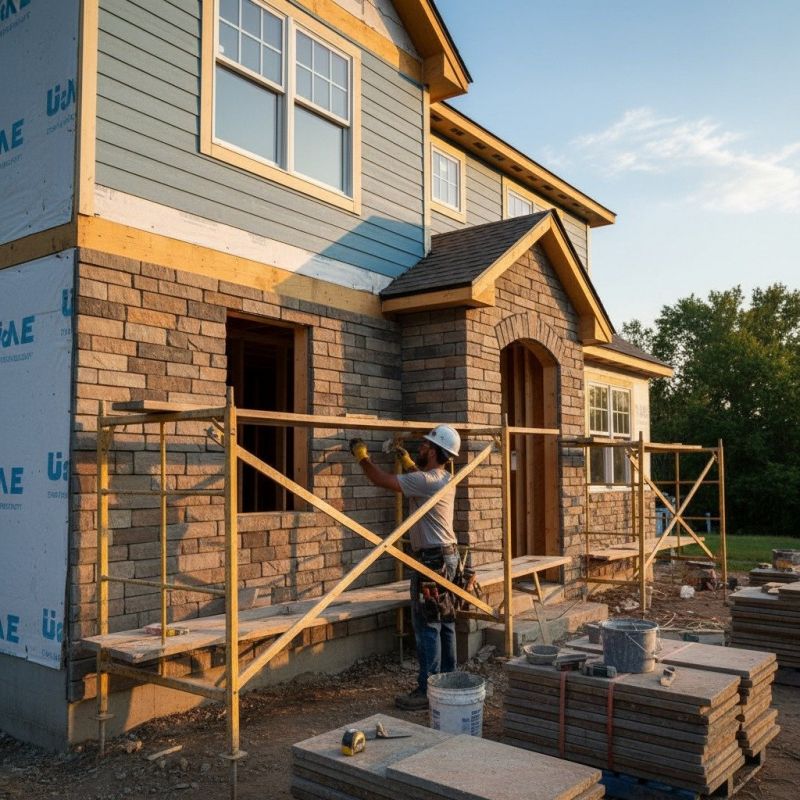

This section helps you compare local contractors for residential brick installation by defining scope, verifying experience, and setting clear expectations.
- Project Scope - Clearly define the extent of brick installation work, including wall dimensions, design specifications, and any additional features.
- Material Selection - Specify the types, colors, and finishes of bricks and mortar to be used in the project.
- Experience Verification - Confirm that local contractors have relevant experience with residential brick installation projects similar in scope.
- Workmanship Expectations - Outline the quality standards and craftsmanship requirements expected for the brickwork.
- Written Agreement - Ensure all project details, including scope and materials, are documented in a detailed contract or scope of work.
When evaluating contractors for residential brick installation, it is important to consider their experience with similar projects. Homeowners should inquire about the types of brickwork the service providers have completed, paying attention to the size, style, and complexity of past projects. Contractors with a proven track record in residential settings are more likely to understand the specific demands of brick installation on homes, ensuring that the work aligns with the homeowner’s expectations and the unique features of the property.
A clear, written scope of work is essential for a successful project. Homeowners should seek detailed descriptions of the tasks involved, including preparation, material specifications, and the extent of the brickwork. This documentation helps establish a mutual understanding of what will be done, minimizing misunderstandings and providing a basis for evaluating progress and quality. A well-defined scope also serves as a reference point to ensure that all aspects of the project are agreed upon before work begins.
Verifying the basics of a contractor’s experience involves more than just asking for references. Homeowners should look for evidence of completed projects similar in size and style, and inquire about the processes used to ensure quality and durability. Checking for consistency in the contractor’s work and asking how they handle common challenges can provide insight into their reliability and expertise. Additionally, confirming that the contractor has the appropriate insurance and understands local building codes can help ensure the project proceeds smoothly and reduces potential liabilities.
When comparing options, homeowners should evaluate the professionalism and clarity of each service provider’s communication, especially regarding project scope and expectations. It is helpful to review written proposals or estimates that outline the scope, materials, and specifications, even in the absence of pricing details. Asking questions about their experience, methods, and approach to problem-solving can reveal how well a contractor understands residential brick installation. Overall, focusing on experience, clear documentation, and thorough verification can lead to a more informed decision and a successful project outcome.
Ask contractors to provide written scope details to ensure clear expectations and consistent project understanding.
- Experience and Credentials - What specific experience do the local contractors have with residential brick installation projects?
- Scope of Work - How do the contractors define and outline the scope of the brick installation to ensure clear expectations?
- Material and Technique Options - What types of bricks and installation techniques do the service providers recommend and why?
- Project Timeline and Phases - How do the contractors plan to structure the project scope and communicate progress milestones?
- Warranties and Guarantees - What written assurances or warranties do the local contractors offer to cover workmanship and materials?
How can I compare contractors for residential brick installation? To compare local contractors, review their experience, verify references, and ensure they provide clear written estimates that outline the scope of work and materials involved.
What should I consider when defining the scope of my brick installation project? Clearly outline the areas to be covered, the type of bricks or materials preferred, and any specific design or finishing details to ensure contractors understand the project requirements.
How can I verify a contractor’s experience with residential brickwork? Ask for examples of previous projects, request references from past clients, and review any available portfolios to assess their expertise and quality of work.
Why is it important to have the project scope in writing? Having the scope documented helps prevent misunderstandings, ensures all parties agree on the work to be done, and provides a reference for project expectations.
What questions should I ask contractors during the selection process? Inquire about their experience with similar projects, request details about their process, and ask how they handle unexpected issues or changes during the project.
How can I ensure a contractor is qualified for residential brick installation? Review their project history, verify their familiarity with the specific brick types and techniques, and confirm they understand the scope and expectations of the job.
By reviewing the information provided, visitors should now understand how to effectively compare local contractors for residential brick installation. They’ve learned the importance of defining the scope of work, verifying relevant experience, and putting all expectations in writing to help ensure a smooth project process. Using the quote form allows for easy comparison of options among trusted service providers in the area, making it simpler to find the right match for the job.
Taking a moment to utilize the quote form can help connect with experienced local contractors who are prepared to handle residential brick installation projects. This approach supports informed decision-making by allowing comparisons of different service providers, ensuring that the chosen contractor aligns with the project’s needs and expectations.